Key Takeaways
-
Eco-friendly packaging is now a baseline expectation for many consumers
-
Brands are using recycled, compostable, and ethically-sourced materials to reduce impact
-
Packaging innovation helps reduce shipping emissions as well as material waste
-
Even large brands like PVH are achieving majority recyclable packaging targets
-
Sustainability drives customer loyalty and brand equity over time
If you lead an ecommerce brand today, you’re likely asking: how can we make our packaging more sustainable?
As conscious consumerism grows, shoppers are paying closer attention to not just what they buy, but how it’s shipped. They expect eco-friendly packaging, recyclable materials, and brands that live their values throughout the entire supply chain.
If you’re responsible for selecting packaging and fulfillment workflows, you know that change isn’t always easy, especially when you’re growing quickly. But there are ecommerce brands already doing it well.
This guide showcases seven brands that have embraced eco-friendly packaging in creative, scalable ways. We’ve included examples of what they’re using and—critically—where to find comparable sustainable packaging materials across the US, UK, and Australia/New Zealand.
1. Allbirds: embracing post-consumer packaging
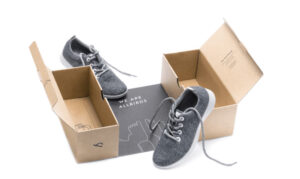
Sustainable footwear brand Allbirds adopts a single-box packaging solution. Each shoebox is made up of 90% post-consumer cardboard and is entirely recyclable. The brand has also gone one step further and imposed a carbon tax on themselves to offset the emissions that come from producing their shoes.
Where to buy post-consumer recyclable boxes
-
US: EcoEnclose offers sustainable shipping boxes made with high post-consumer recycled content. ecoenclose.com
-
UK: Eco-Craft supplies recycled and compostable presentation and postal packaging. eco-craft.co.uk
-
AU/NZ: Better Packaging Co. provides eco-friendly boxes and mailers across Australia and New Zealand. betterpackaging.com
2. Boxed Water: Cardboard beverage packaging
Taking innovation to a whole new level, Boxed Water is the only company on this list whose product is its sustainable packaging.
In a market saturated by single-use plastic bottles, Boxed Water stands out from the crowd.
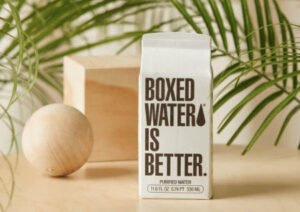
The brand’s water is packaged in a 100% recyclable cardboard box. What’s even more incredible about this product is its incredibly low carbon footprint. Boxed Water can be shipped flat to refilling stations, so fewer trucks are required to transport the product.
Where to buy recyclable cardboard beverage cartons
-
US: ASQ Packing Group offers eco-friendly, food-grade liquid cartons (gable-top and ESL cartons) made from sustainable paperboard. These are recyclable and designed specifically for beverages like milk, juice, and water. asqpacking.com
-
UK: Stora Enso supplies liquid packaging board for beverage cartons. Their sustainable paperboard is recyclable, food-safe, and used by packaging converters throughout the UK. storaenso.com
3. Alima Pure: Soy-based refillable beauty palettes
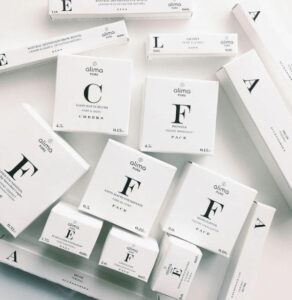
Natural cosmetics brand Alima Pure uses soy-based refillable palettes and boxes to package its products.
Packaging is made from 100% post-consumer recycled paper and printed using eco-friendly soy-based inks.
Also, because the brand’s products are refillable, they significantly reduce plastic and chemical waste.
Where to buy refillable palettes for cosmetics
-
US: A Packaging Group (APG) works with cosmetic brands to create custom packaging, including refillable palettes and recyclable options. apackaginggroup.com
-
UK, US, EU: HCP Packaging provides sustainable beauty packaging, including refillable and recyclable paper palettes. hcpackaging.com
-
AU/NZ: Australian Private Label offers eco-friendly beauty packaging with low MOQs, including refillable palettes made from glass, hemp, 100% post-consumer recycled, or bio-plastic materials. australianprivatelabel.com.au
4. A Good Company: Stone paper packaging
Eco-friendly brand A Good Company is on a mission to transform mindless consumption into conscious decisions.
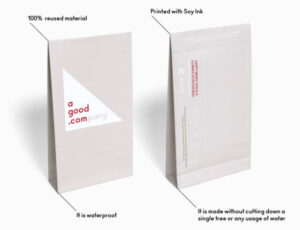
At the heart of this is their sustainable packaging. A carbon-negative company, they use stone paper as their packaging material of choice.
Stone paper is a mineral-based alternative to traditional, wood-based paper products.
Where to buy stone paper packaging
- US, CA: Stone Paper Solutions (Canada-based, ships to US) offers bags and pouches made from mineral paper—a durable, tree-free material ideal for flexible packaging. stonepaperinfo.com
-
UK: Royal Packaging offers stone paper carrier bags and bespoke eco-friendly packaging solutions for retail. royalpackaging.co.uk
5. PVH: Recyclable, ethically-sourced packaging
Apparel giant, PVH which owns brands including Calvin Klein and Tommy Hilfiger, has made it their goal to make a minimum of 75% of their packaging weight with recycled content, with a preference for post-consumer recycled material, by 2030.
The company is already making significant progress toward this goal: 83% as of the 2024 corporate responsibility report.
What’s more, PVH became the first apparel retailer to join How2Recycle. This initiative provides customers with details on how to recycle packaging that items come in, such as whether to consult a local recycling program or to use a store drop-off station at an independent retailer.
Where to buy recyclable, ethically-sourced packaging
- US: EcoEnclose provides FSC-certified, recyclable packaging materials. ecoenclose.com
- UK: Eco-Craft carries recycled and compostable packaging to support sustainability goals. eco-craft.co.uk
- AU/NZ: Better Packaging Co. specializes in mailers and boxes made from reclaimed or recycled content. betterpackaging.com
6. Not!ce Hair Co.: Zero-waste packaging for soap and shampoo
With a committment to plastic-free and cleaning-up other companies’ trash, Not!ce Hair Co. (formerly Unwrapped Life) is a beauty brand that eliminates plastic from their packaging process.
In fact, to date, the brand has prevented over 1.2 million plastic bottles from reaching the ocean, and they’re just getting started. In partnership with rePurpose Global, the brand collects 10 ocean-bound plastic bottles for each Not!ce Hair Co. product sold.

Their signature shampoo and conditioner come wrapped in compostable paper, leaving behind virtually no waste, and is a big hit with consumers.
They have also adopted this no waste mentality in other areas of their operations, making their entire fulfillling and shipping process paperless.
Where to buy zero-waste, compostable packaging
- US: EcoEnclose offers compostable paper materials ideal for wrapping soaps and other products. ecoenclose.com
- UK: Eco-Craft stocks paper-based and compostable wraps. eco-craft.co.uk
- AU/NZ, US: EcoPackables provides compostable wrapping suited for a variety of products. ecopackables.com
7. Reformation: Eco-friendly hangers and bio packaging
With sustainability at the center of everything they do, Reformation takes environmentally-conscious packaging to the next level.
They ship products in vegetable bags, which are plastic-free and compostable. Once a bag has been used, it can simply be added to organic waste, where it’s left to break down.
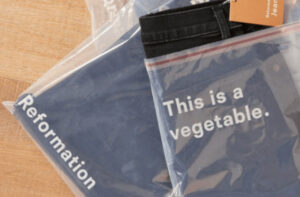
Even the brand’s clothes hangers are bio-based, with each hanger made of recycled paper to reduce the demand for new materials and reduce landfill waste. Hangers can be composted or recycled.
Where to buy recycled paper clothes hangers
- US: Sourcing Solutions International (SSI) offers recycled and recyclable paper and hybrid hangers for apparel brands focused on sustainability. ss-intl.com
-
UK: The Hanger Store offers sustainable wood, post-consumer plastic, and FSC-certified paper fibreboard hangers. thehangerstore.co.uk
-
AU/NZ: Green Hanger offers 100% recycled, biodegradable, and fully recyclable cardboard hangers for eco-conscious brands. greenhanger.com.au
Why this matters for your brand
Switching to eco-friendly packaging may seem overwhelming, especially if you’re growing quickly. But it’s one of the most visible and immediate sustainability changes you can make.
Consumers notice. They care. And they reward brands that take meaningful steps to reduce waste and emissions.
Even small changes in materials, labeling, or logistics can have a major impact at scale. If you ship hundreds or thousands of orders per week, more sustainable packaging isn’t just good for the planet. It’s a smarter long-term business decision.
How Descartes Peoplevox supports eco-friendly fulfillment
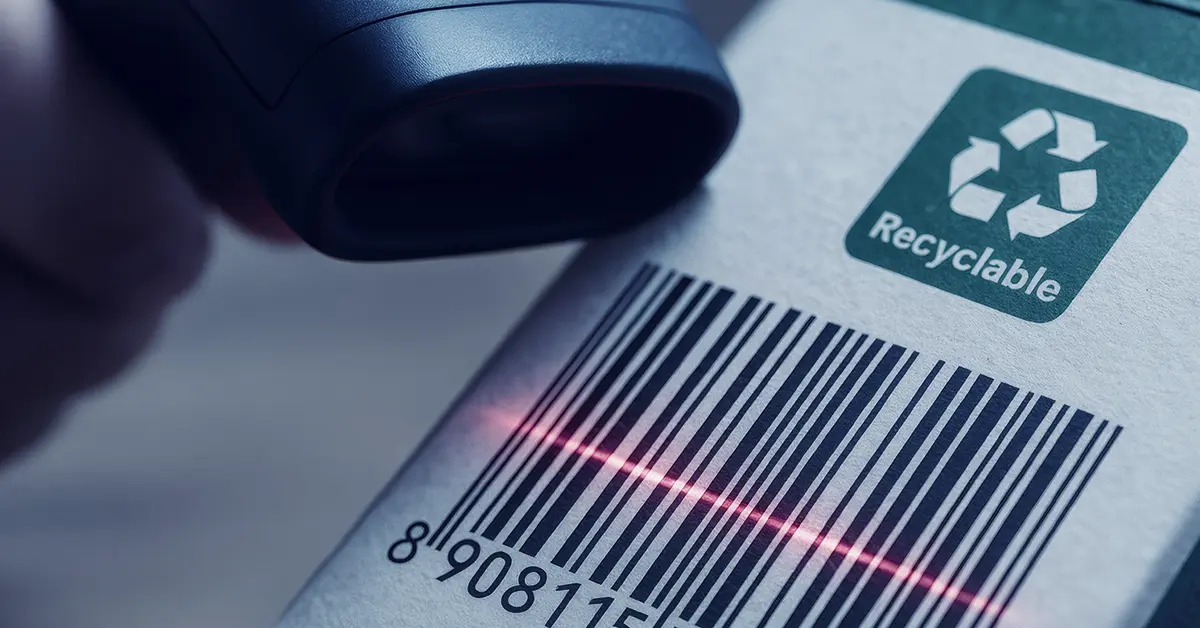
Your brand is serious about sustainability, and so is Descartes. That’s why the Peoplevox WMS helps brands eliminate waste in fulfillment with entirely paperless workflows.
From receiving to picking to packing, all warehouse processes are managed digitally via Android devices—no printed pick lists, no paper packing slips, no clipboards.
Scalable, paper-free warehouse workflows
By equipping warehouse staff with barcode-driven workflows on mobile devices, you not only reduce paper waste but also increase accuracy and productivity.
Brands like Goodfair eliminated paper-based picking and packing using Descartes Peoplevox, reducing waste, boosting accuracy, and scaling fulfillment 700% in the process.
Blue Bungalow also transitioned from paper pick slips to fully digital workflows, cutting error-checking time and improving picker productivity across the board.
Ready to learn how? Request a demo today.
Eco-friendly packaging FAQs
What is eco-friendly packaging?
Eco-friendly packaging refers to materials and practices that reduce environmental harm. This includes recycled content, compostable materials, minimal plastic use, and efficient designs that reduce shipping waste.
Why does sustainable packaging matter in ecommerce?
Ecommerce generates massive amounts of packaging waste. Choosing sustainable materials helps reduce landfill, lower carbon emissions, and align with consumer expectations around environmental responsibility.
What materials are considered eco-friendly for packaging?
Common eco-friendly materials include post-consumer recycled cardboard, compostable bioplastics, stone paper, soy-based inks, and refillable containers.
Do you have a list of sustainable packaging materials?
- Recyclable cardboard boxes and paper packaging made from 90% or higher post-consumer (recycled) materials
- 100% recyclable cardboard-based beverage cartons that can be shipped flat and filled on-site to reduce carbon footprint
- Soy-based inks for printed materials
- Refillable and recyclable paper palettes for beauty products
- Stone paper, a mineral-based alternative to wood-based paper products
- 100% compostable, vegetable-based plastic bags and packages
- Bio-based, compostable clothing hangers made of recycled paper
- Plant-based, compostable packing peanuts
- 100% recyclable aluminum and glass containers
How can I start making packaging more sustainable?
Start small: reduce unnecessary materials, switch to recyclable or compostable packaging, add clear labeling, and work with vendors who share your sustainability goals.