

Key takeaways
- Shopify will discontinue Stocky on 31 August 2026. Merchants using Stocky need to review their inventory planning processes before the deadline.
- Shopify is encouraging sellers to transition towards Shopify-native inventory tools and partner apps.
- Ecommerce businesses with more complex forecasting and warehouse requirements may need a more advanced inventory planning solution.
- Descartes ForecastMine™ offers forecasting, purchasing, returns, warehouse, and accounting integrations designed to support growing ecommerce operations.
Shopify has confirmed that Stocky will no longer be available after 31 August 2026. For many ecommerce sellers, this creates an important operational decision around inventory forecasting, replenishment, and purchasing workflows.
Shopify merchants have long used Stocky to manage purchase orders (POs), transfers, stock recommendations, and inventory replenishment. However, as ecommerce operations become more complex, many businesses now require deeper forecasting capabilities, broader integrations, and more advanced operational visibility.
If your business currently relies on Stocky, now is the time to evaluate your next steps. Migrating inventory planning systems can take time, particularly for merchants with multiple sales channels, warehouses, suppliers, or accounting integrations.
This guide explains why Shopify is discontinuing Stocky, what changes merchants can expect, and how ecommerce sellers can prepare before the August 2026 deadline.
Table of contents
Why is Shopify discontinuing Stocky?

Shopify has announced that Stocky will be sunset as part of a broader shift towards more unified inventory management capabilities inside the Shopify ecosystem.
According to Shopify documentation and partner commentary, the company is encouraging merchants to transition away from Stocky and towards newer inventory workflows, Shopify-native functionality, and third-party inventory planning solutions that better support evolving ecommerce operations.
Stocky originally helped merchants manage replenishment, purchasing, and inventory transfers directly within Shopify. However, many ecommerce businesses now operate across multiple warehouses, marketplaces, returns platforms, and accounting systems. This has increased demand for more advanced forecasting and operational flexibility.
The sunset does not necessarily mean Shopify is abandoning inventory management. Instead, it reflects a strategic shift in how Shopify approaches inventory planning and operational tooling across its platform.
For merchants currently relying on Stocky, the key challenge is continuity. Businesses will need to ensure they maintain forecasting accuracy, purchasing visibility, and operational efficiency after support ends.
Interested in improving forecasting accuracy before Stocky sunsets? Book a ForecastMine demo to see how advanced inventory planning can help you stay ahead of demand changes.
What will Shopify replace Stocky with?
Shopify is expected to continue expanding its native inventory capabilities while relying more heavily on ecosystem partners for advanced forecasting and replenishment functionality.
Rather than offering a direct one-to-one Stocky replacement, Shopify appears to be moving towards a combination of built-in inventory tools and integrations with specialist operational software providers.
For smaller merchants with relatively simple replenishment needs, Shopify’s standard inventory features may remain sufficient. However, ecommerce businesses with more advanced purchasing workflows, seasonal demand shifts, multichannel selling operations, or warehouse management requirements may need a dedicated inventory planning solution.
How will the change impact cost?
For many Shopify merchants, Stocky was previously included at no additional cost, particularly for businesses already using Shopify POS Pro. Shopify’s replacement approach appears to focus on a combination of native Shopify inventory features and third-party inventory management apps rather than a direct replacement with the same functionality.
While Shopify’s built-in inventory tracking remains available within the Shopify admin, several advanced Stocky capabilities, such as forecasting, purchase order management, supplier workflows, and more sophisticated replenishment planning, may now require merchants to adopt third-party inventory planning software.
This means some businesses could face new software costs that did not previously exist when using Stocky. Many Stocky alternatives now charge monthly subscription fees based on SKU count, order volume, locations, or forecasting functionality. Pricing for replacement platforms varies significantly.
However, software subscription costs are only part of the picture. Ecommerce businesses should also consider the operational cost of inaccurate forecasting, stockouts, overstocking, excess storage fees, emergency purchasing, and manual spreadsheet management. In some cases, a more advanced forecasting platform may help reduce operational inefficiencies and improve purchasing decisions over time.
For growing ecommerce sellers, the transition away from Stocky may ultimately become less about replacing a free tool and more about investing in systems that support long-term operational scalability.
What does this mean for ecommerce sellers?
For ecommerce sellers, the sunset creates both disruption and opportunity. Businesses that continue relying on spreadsheets or basic replenishment methods may struggle as operational complexity increases. Modern ecommerce operations often require forecasting across multiple sales channels, warehouses, suppliers, and return flows.
This transition also gives merchants an opportunity to reassess current inventory processes and identify operational gaps that may already be affecting profitability.
Businesses should evaluate:
- Forecasting accuracy.
- Supplier planning workflows.
- Warehouse integration requirements.
- Returns management processes.
- Accounting and landed cost visibility.
- Multichannel inventory synchronisation.
- Purchase order automation.
Merchants that proactively review these areas before August 2026 are likely to experience a smoother transition.
What should Stocky users do before 31 August 2026? 5 steps
Step 1: Audit your current inventory workflows
Start by documenting how your team currently uses Stocky. Identify which workflows depend on the platform, including forecasting, purchase orders, transfers, replenishment, supplier management, and reporting. This will help determine which capabilities your replacement system must support.
Step 2: Review forecasting limitations
Many businesses adopted Stocky when operations were smaller and less complex. Now is a good opportunity to assess whether your existing forecasting process supports seasonal trends, returns data, supplier lead times, changing sales velocity, and multichannel demand fluctuations.
If your current workflows rely heavily on manual spreadsheets or static reorder points, additional forecasting sophistication may improve inventory performance.
Step 3: Evaluate integration requirements
Inventory planning rarely operates in isolation. Review which systems need to connect with your future forecasting platform, including:
- Shopify.
- Warehouse management systems (WMS).
- Accounting software.
- Returns management platforms.
- Shipping systems.
- Ecommerce marketplaces.
Integration gaps can create manual work, delayed reporting, and inventory inaccuracies.
Step 4: Plan migration timelines early
Inventory planning migrations can take longer than expected, especially for growing ecommerce businesses. Waiting until mid-2026 may increase operational risk if implementation timelines become compressed or software providers experience increased onboarding demand closer to the deadline.
Starting early allows time for testing, training, process refinement, and data validation.
Step 5: Prioritise long-term operational flexibility
Avoid selecting a replacement based solely on matching Stocky’s existing functionality. Instead, evaluate whether the solution supports your future operational goals, including warehouse expansion, multichannel growth, forecasting sophistication, and automation requirements.
The right inventory planning system should help your business scale without creating additional operational complexity.
Why you should use Descartes ForecastMine for inventory planning when Stocky is gone
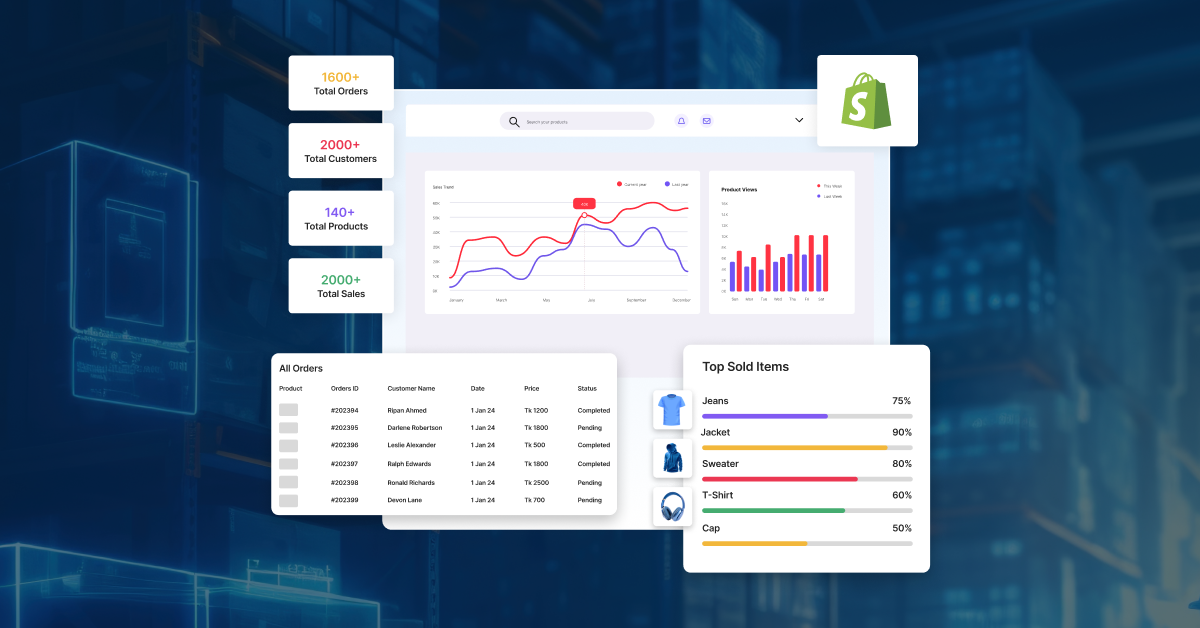
ForecastMine offers AI forecasting and demand planning capabilities for Shopify sellers. It provides a more advanced approach to inventory planning, forecasting, and operational visibility as Stocky approaches its sunset date. Unlike other replenishment systems, ForecastMine is designed to support growing ecommerce businesses that require more forecasting flexibility and broader operational integration.
ForecastMine provides seasonal forecasting and dynamic replenishment models that adapt to changing demand patterns. It also equips you with deeper operational visibility through daily summaries covering inventory health, stock valuation, refunds, overstocked products, and unusual business trends.
It integrates directly with platforms such as Xero, Loop, and Descartes Peoplevox™, helping businesses connect forecasting with accounting, returns management, and warehouse operations. This reduces manual work while improving operational accuracy across systems.
The platform also gives businesses more control over purchasing decisions by accounting for supplier shutdowns, pack quantities, seasonal exclusions, and changing sales velocity when generating replenishment recommendations.
In addition, ForecastMine helps businesses calculate the true cost of goods sold (COGS) by including landed costs such as freight and import expenses, improving financial visibility and inventory planning accuracy.
For ecommerce sellers preparing for life after Stocky, ForecastMine offers a more scalable approach to inventory planning as operational complexity continues to grow.
Ready to prepare for the Stocky sunset before operational pressure increases? Book a ForecastMine demo to see how advanced forecasting and inventory planning can help your ecommerce business scale with greater control and visibility.
If you enjoyed this blog post on what to do when Stocky sunsets, you may also benefit from reading the following:
Stocky sunsetting FAQs
When will Stocky officially stop working?
Shopify has announced that Stocky will no longer be available after 31 August 2026.
Will Shopify automatically migrate my Stocky data?
Merchants should not assume data migration will happen automatically. Businesses should review Shopify’s transition guidance carefully and plan exports, backups, and migration workflows early.
Can I still use Shopify inventory tools without Stocky?
Yes. Shopify will continue offering inventory management capabilities within its platform, although advanced forecasting and replenishment functionality may require third-party solutions.
Is ForecastMine only for large ecommerce businesses?
No. ForecastMine is designed for ecommerce sellers that require more forecasting visibility and operational control, whether they operate a single warehouse or more complex multichannel environments.
What happens if I wait too long to replace Stocky?
Delaying migration planning could create operational disruption closer to the sunset deadline, particularly if implementation queues increase or inventory planning gaps affect purchasing and fulfilment workflows.