
Key takeaways
- Sustainable ecommerce is increasingly influencing purchasing decisions, making environmentally responsible practices a competitive advantage rather than a nice-to-have.
- Small operational changes, such as switching to recyclable packaging, encouraging reuse, and offering click and collect, can significantly reduce your environmental impact while improving the customer experience.
- Rethinking fulfilment and shipping, from reusable packaging to consolidated orders and paperless warehouse processes, helps reduce waste, lower emissions, and improve efficiency.
- You don’t need a complete business overhaul to become more sustainable. Adopting practical, proven initiatives can help your ecommerce business meet growing customer expectations while reducing its environmental footprint.
We are all, to a greater or lesser extent, conscious consumers. Businesses know that sustainability sells.
For starters, 43% of consumers in the UK are more likely to shop with a rival retailer if they are offered a greater range of sustainable delivery options. Moreover, 21% of consumers surveyed by Unilever said they would actively choose brands if they made their sustainability credentials clearer on their packaging and in their marketing
If before it was the impending regulatory control on packaging, plastics and emissions from governing bodies forcing their hands, now it seems most brands and retailers are actively harnessing the growing appetite for sustainable options from consumers, particularly when buying online.
Many notable companies have made small changes behind the scenes, whilst others are favouring more radical, comprehensive overhauls of their operation or offering. Could it be that radical policies, such as completely removing the option to return products, are the only impactful option for businesses seeking to reduce the weight behind their environmental footprint?
We’ve collated our top options for eco-friendly ecommerce and sustainable best practice. They’re not completely radical, but they do make a difference, and will help you towards the heightened environmental stewardship we should all be taking on.
Table of contents
Better packaging
Plastic is cancelled, and any materials that either can’t be recycled or re-used should be too. When it comes to the packaging you’re using for each order, there are some brilliant options for more sustainable materials. Our personal favourite come from The Better Packaging Company, who offer a wide range of bags, labels and tapes, all made from ‘waste’ material.
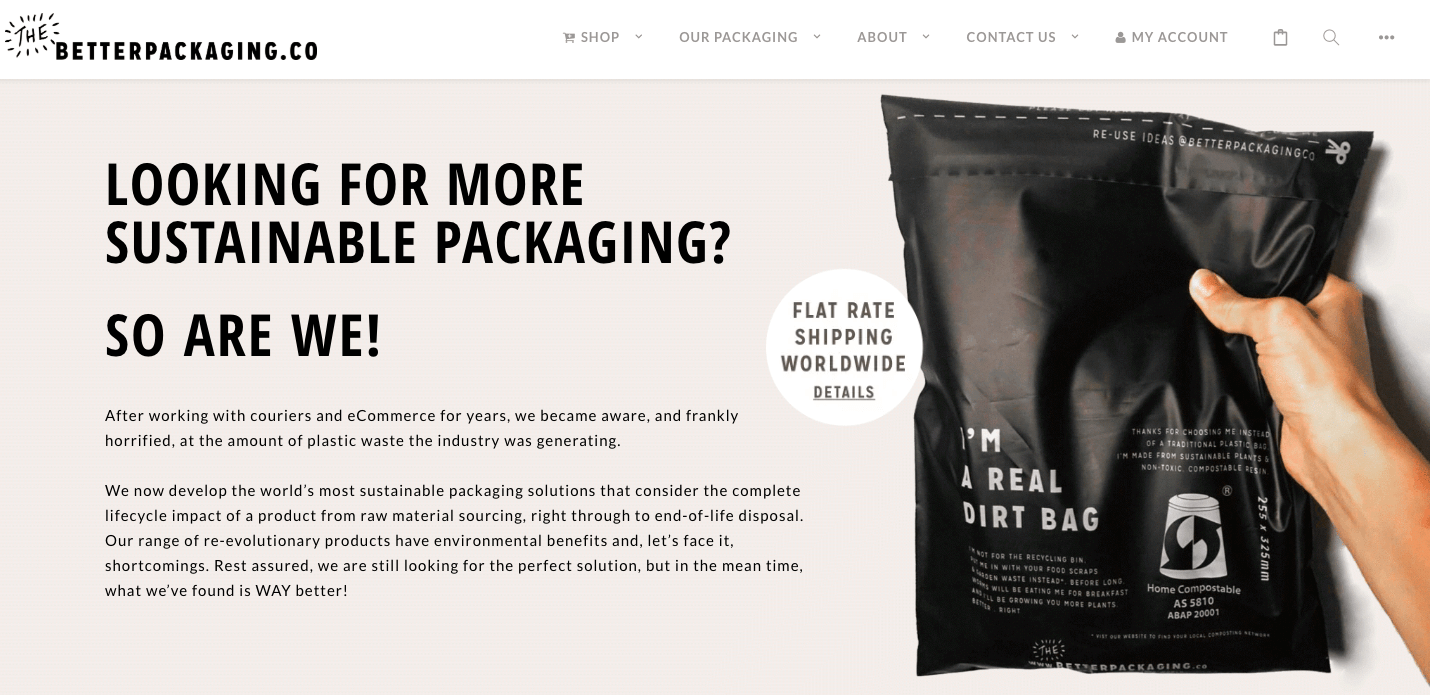
Their honest approach and consistent drive towards improvement and bettering their efforts is remarkable.
Encourage re-use
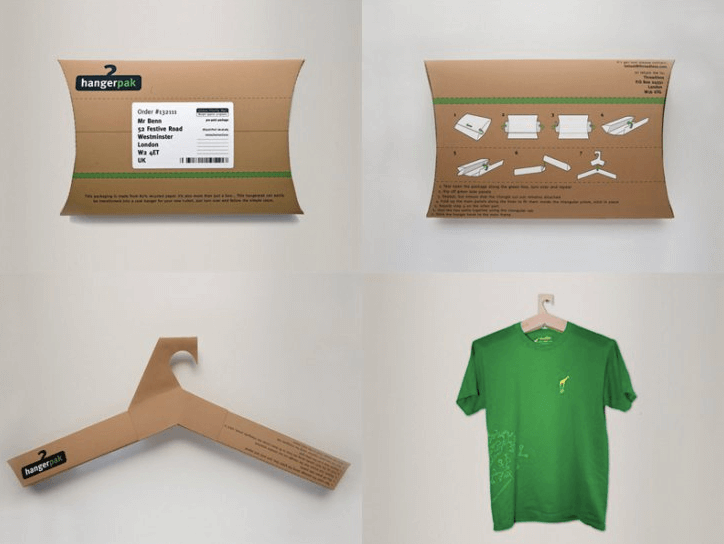
With some intuitive design and a smart product tie-in, you can add to the overall experience your customers receive by making the packaging itself a part of the product. HangerPak have developed this very simple, but effective way of ensuring their packaging doesn’t get trashed immediately after opening:
Similarly, check out Puma’s Re-Suede shoe line. Made entirely from recycled materials and delivered in a rather smart looking shoe bag. This smart bag saves ‘’8,500 tons of paper, 20 million megajoules of electricity, 1 million litres of water, 1 million litres of fuel oil, 500,000 of diesel oil and 275 tones of plastic’’.

Save with shipping
Companies can reduce the amount they are shipping and polluting by implementing a few different measures that encourage your customer to consume more consciously:
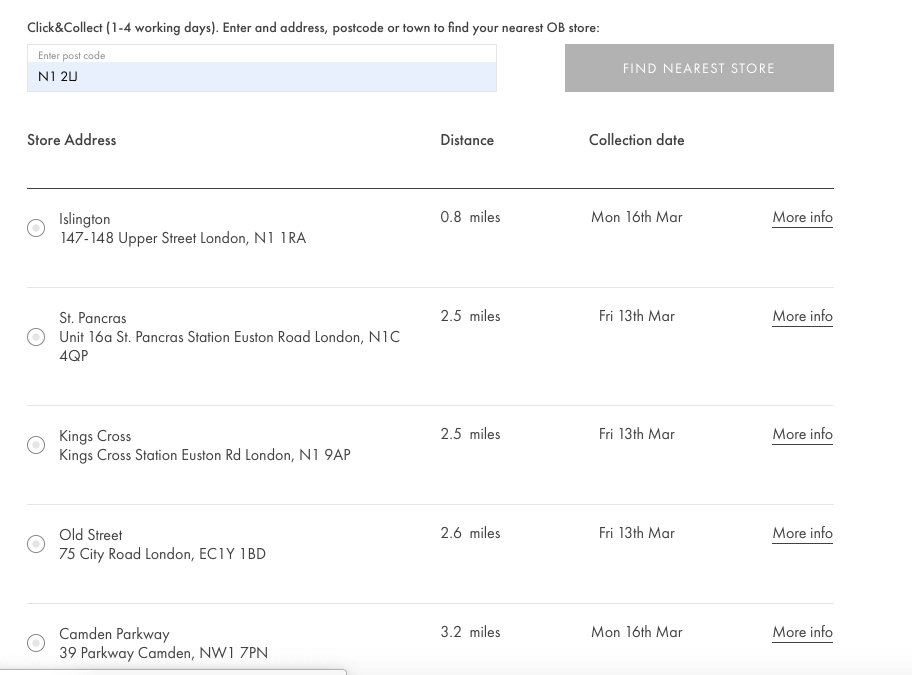
- ‘Click and Collect’: Many brands (like our client Oliver Bonas below) are implementing a ‘Click and Collect’ scheme where customers are able to purchase their items online, then collect them at a brick and mortar store. This not only saves the need for postal packaging, but also saves on the pollution caused from the transportation of goods from A to B.
- Customer discounts/rewards: Offering rewards to customers who purchase more than one item per order will encourage customers to buy all at once, rather than separate items in separate orders. This saves the customer money, promotes more conscious shopping and reduces the pollution caused by shipping each individual item.
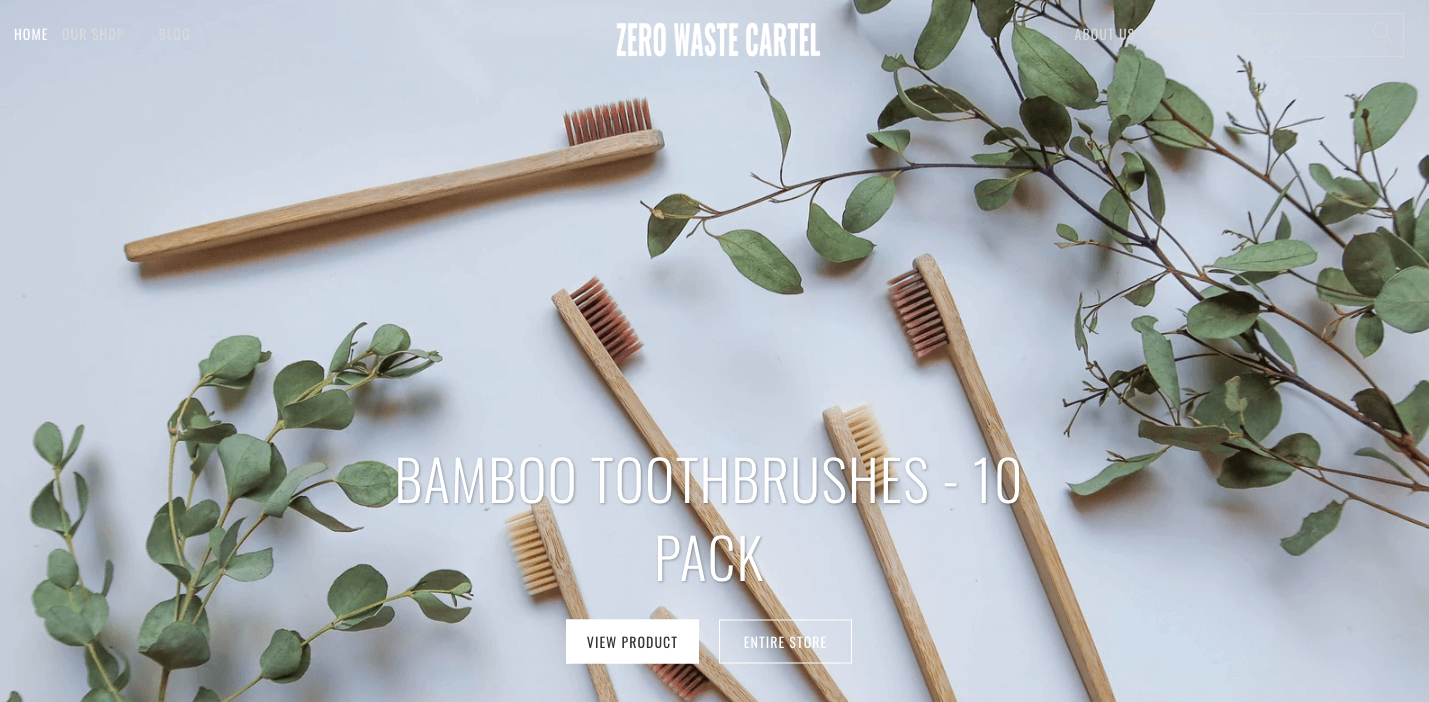
We’ve also seen Zero Waste Cartel‘s awesome bamboo toothbrush initiative. You have to buy a minimum of 10 at once This asks you to plan ahead, or link up with family, friends and neighbours.
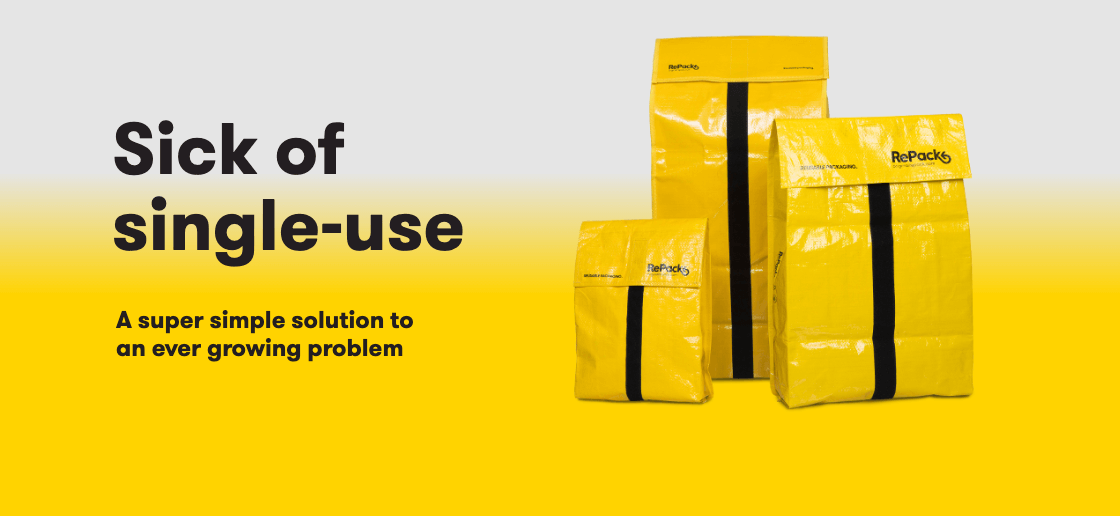
Re-think your packaging with RePack
RePack provides returnable packages made of durable and recycled materials, that, when empty, can be fold into a letter size and returned to a postbox, anywhere in the world free of charge.
RePack reduces CO2 emissions by up to 80%, helping improve your customer experience, generating new sales with a sustainable twist.
Consciousness through creativity
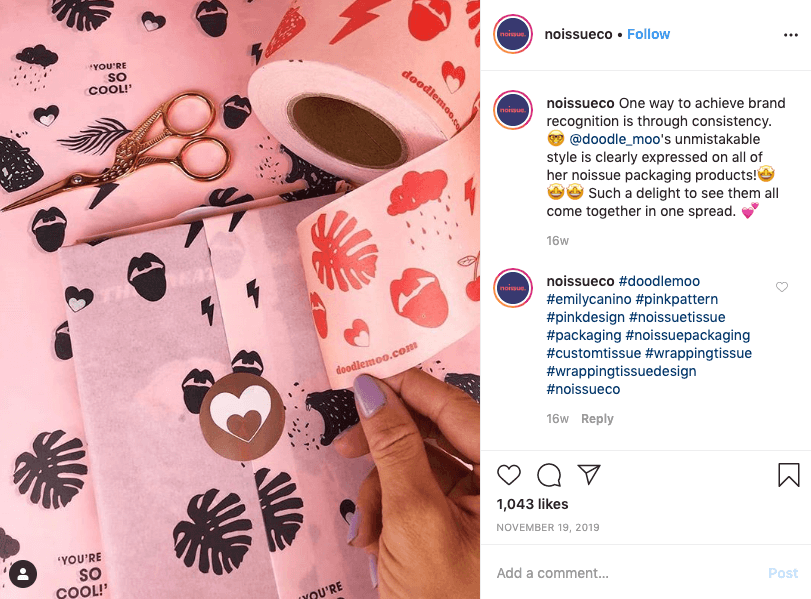
no issue allows you to design your own branded tissue paper to protect your products. Create a design and show off your brand with eco-friendly packaging that’s too beautiful to throw away!
Fix your warehouse operations with paperless picking
We couldn’t finish this piece without mentioning something very dear to our hearts. If you’re still printing pick lists, not only are you leaving the door open to serious warehouse mistakes, inaccurate stock, mispicks, wrong items to the wrong people, no visibility, bad experience, unhappy staff, and even papercuts.
You’re also wasting paper when you could have the same (better) information on mobile devices!
Improve efficiency, reduce waste, and build a more sustainable fulfilment operation. Book a Descartes Peoplevox demo to see how we can help.
Eco-friendly ecommerce FAQs
What is eco-friendly ecommerce?
Eco-friendly ecommerce is the practice of reducing the environmental impact of selling products online. This can include using sustainable packaging, offering lower-impact delivery options, reducing waste in warehouse operations, and encouraging more responsible purchasing habits.
Do customers really care about sustainable packaging?
Yes. Many consumers actively consider a retailer’s environmental practices when making purchasing decisions. Sustainable packaging can demonstrate your commitment to reducing waste while helping create a positive unboxing experience that reflects your brand values.
Does sustainable fulfilment increase operating costs?
Not necessarily. While some sustainable initiatives require upfront investment, many also improve efficiency by reducing material waste, lowering shipping costs, and streamlining warehouse operations, helping offset long-term costs.
How can warehouse technology support sustainability?
Modern warehouse management and fulfilment technology helps reduce paper use, minimise picking errors, optimise inventory movement, and improve shipping efficiency. These improvements reduce waste while creating a more efficient operation.
Is reusable packaging suitable for every ecommerce business?
Reusable packaging can be a great fit for some retailers, but it isn’t the right solution for every product or business model. Factors such as product size, shipping distances, customer behaviour, and return logistics all influence whether reusable packaging is a practical choice.