
Key Takeaways
-
Warehouse barcoding improves fulfillment accuracy and inventory control when implemented early and consistently.
-
Simple, standardized barcode practices reduce errors and scale more easily as order volume grows.
-
Small barcoding mistakes can create big operational problems if not addressed before growth accelerates.
Warehouse barcode systems are everywhere, so it can be easy to take for granted just how useful they are. Without barcodes, it’s much more difficult to identify the exact SKU you’re looking at, and mistakes slip through the net.
However, with effective warehouse barcoding in place, you ensure accurate fulfilment every time. Even though you may nod your head and agree that warehouse barcodes contribute greatly to successful operations, perhaps you wish it was a bit easier to get going.
In this article, we’ll go through the top 9 warehouse barcoding mistakes and how you can fix them and prevent them from impacting your efficiency.
Table of Contents
- Top 9 Warehouse Barcoding Mistakes
- You Started Barcoding Too Late
- Your SKU Codes Are Too Long
- You Haven’t Checked That the Code Matches the Product
- You’re Not Using GS1 Barcodes on Marketplaces
- Inner Cases and Outer Cases Don’t Have Barcodes
- You’re Waiting to Implement a WMS Before You Start Barcoding
- You Didn’t Ask Your Suppliers to Barcode for You
- Your Barcodes Start with Zeros
- Your Warehouse Barcode Process Isn’t Simple
- Manage Your Warehouse Barcoding Better with Peoplevox
- Warehouse Barcode Mistake FAQs
Top 9 Warehouse Barcoding Mistakes
1. You Started Barcoding Too Late
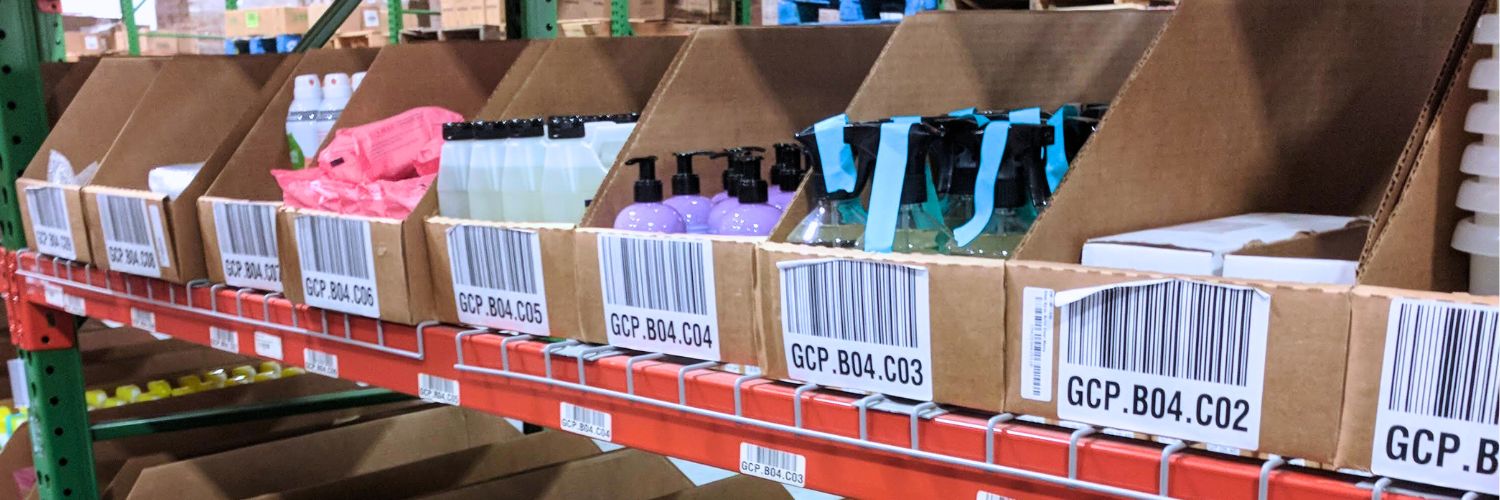
Everyone starts small. Even if you’re running your new ecommerce business out of your parents’ laundry room, you can start barcoding. Establish the process early, and it’ll stick, helping you avoid headaches when scaling your brand.
2. Your SKU Codes Are Too Long
This applies if you choose to use your SKU codes as barcodes. If they’re over 15 characters, they won’t show properly when printed. The same goes with hyphens: avoid using them because they elongate the barcode too much.
When barcodes are too long, the code won’t match what you have registered on the system, and you will run into problems.
3. You Haven't Checked That the Code Matches the Product
It’s easy for errors to happen and to slip by unnoticed. Take a second to ensure that your barcodes match the products they’re meant to represent. Making a mistake at this stage could lead to you shipping out the wrong product and having mismatched, ineffective inventories.
4. You're Not Using GS1 Barcodes on Marketplaces
If you’re selling through third parties, the best practice is to sign up to become a GS1 member. GS1 distributes barcode values to retailers and manufacturers, ensuring that every barcode it creates is unique.
Without the guarantee that each code is unique, there’s a chance that the third-party reseller might have another product from another company with the same code in their warehouse, which could, and does, become a major headache.
5. Inner Cases and Outer Cases Don’t Have Barcodes
If you receive standard quantities of inner and outer cases, stick barcodes on them. This means you can scan the cases instead of having to scan each product. This saves a lot of time as goods come into the warehouse, when picking larger quantities, or when you need to perform a stock check.
6. You’re Waiting to Implement a WMS Before You Start Barcoding
If your products aren’t barcoded, but you’re considering implementing a warehouse system, don’t wait until it’s fully set up to start the process. Start labelling the products during the implementation to ensure you can get the most out of your WMS from day one.
If barcoding is low on your list of priorities, it will become a pain to get on top of as products cycle through your warehouse.
7. You Didn’t Ask Your Suppliers to Barcode for You
Even easier than tasking your warehouse staff to do the legwork: see if your suppliers can deliver your products to you already barcoded. This means they can be checked, scanned in, and put on the racks ready to be sold without additional admin. Getting warehouse barcoding right before your products arrive at goods-in is a massive time-saver.
8. Your Barcodes Start with Zeros
When your barcodes start with a few zeros, they can get dropped. This is particularly an issue if you use Excel to store your inventories. Any numbers pasted or typed into Excel that begin with zeroes will erase the first few digits of your barcode.
This makes lining up the stock in your warehouse with the information you have in your inventory ten times harder. If you use Excel and can change your barcodes, stop using zeroes at the start. It’ll make life just that bit easier.
9. Your Warehouse Barcode Process Isn't Simple
More than anything, remember that simplicity is key. Barcodes exist to help you identify things. They don’t need a lot of information in them. We’ve seen cases where location identifiers have been put in the barcodes. It’s not necessary. Long product descriptions are not required.
Keep it short, keep it simple, and enjoy the benefits of a clean, clear, and organised barcoding system.
Manage Your Warehouse Barcoding Better with Peoplevox
Peoplevox has been around for over a decade. During that time, we’ve seen many brands face challenges as they grow their businesses. Without a doubt, getting barcoding right is one of the things that help most when tightening up fulfillment processes.
Watch the video below for a full overview of the Peoplevox Android app, and read this blog post to learn more about warehouse barcoding.
Discover how Peoplevox’s barcode scanning capabilities and WMS can solve your warehouse headaches. Schedule a demo today.
Warehouse Barcode Mistake FAQs
What Type of Barcode Scanner Works Best in a Warehouse Environment?
The right scanner depends on your layout and workflows. High-volume warehouses often benefit from rugged handheld or wearable scanners that can read damaged labels and work at distance.
How Often Should Warehouse Barcodes Be Audited or Revalidated?
Regular audits, such as during cycle counts or process changes, help catch label damage, duplication, or system mismatches before they impact fulfillment accuracy.